
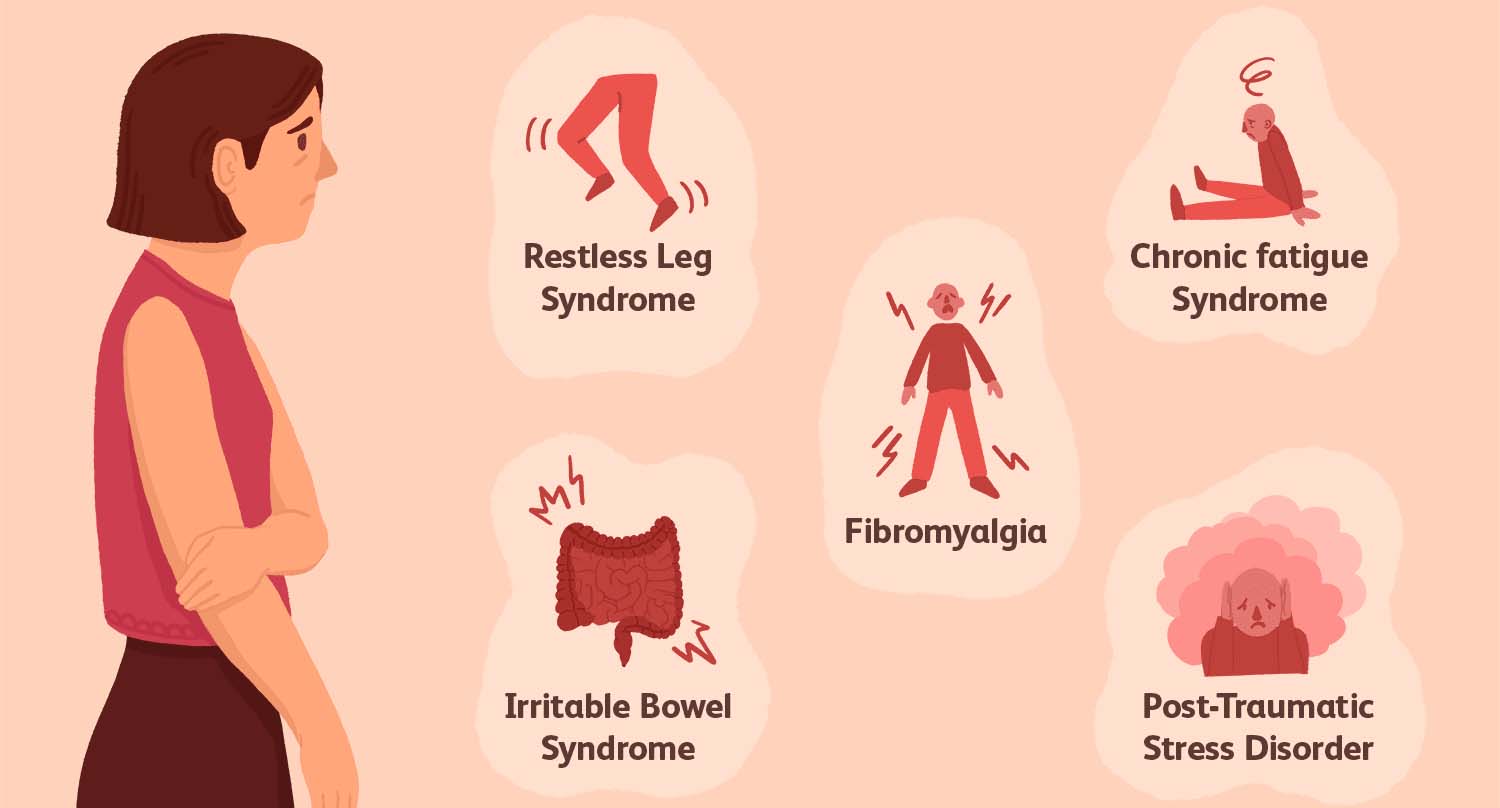
Chronic Fatigue Syndrome (CFS), also known as myalgic encephalomyelitis or ME/CFS, is a complex, long-term condition characterised by severe fatigue that does not improve adequately with rest and can significantly affect daily activities. People with this condition may experience worsening symptoms after physical or mental activity, unrefreshing sleep, difficulty concentrating and problems with memory.
ME/CFS is more than ordinary tiredness. Even simple activities, such as taking a shower, preparing a meal or concentrating on work, may become difficult for some people. The severity of symptoms can vary, and the condition may affect a person’s ability to work, study, socialise or manage everyday responsibilities.
Early medical assessment can help identify other possible causes of fatigue, support symptom management and improve quality of life.
What Is Chronic Fatigue Syndrome?
Chronic Fatigue Syndrome is a long-term illness that affects multiple body systems. The term ME/CFS is commonly used because the condition can involve profound fatigue, problems with the nervous system and difficulty tolerating physical or mental exertion.
One of its defining features is post-exertional malaise (PEM). This means symptoms become worse after physical, mental or emotional activity that previously may have been manageable. The worsening can be delayed and may last for days or longer.
ME/CFS is not simply caused by a lack of motivation, ordinary tiredness or insufficient sleep. Its exact underlying mechanisms are not fully understood, and there is currently no single test that confirms the diagnosis.
Common Symptoms of Chronic Fatigue Syndrome
Symptoms differ between individuals and may change over time. Common symptoms include:
- Persistent, debilitating fatigue: Severe exhaustion that interferes with normal daily activities and is not adequately relieved by rest.
- Post-exertional malaise: A worsening of fatigue, pain, concentration problems or other symptoms after activity.
- Unrefreshing sleep: Waking up feeling tired even after sleeping for many hours.
- Cognitive difficulties: Problems with memory, concentration, processing information or finding the right words, sometimes described as brain fog.
- Muscle and joint pain: Aches or discomfort that may occur without obvious swelling.
- Headaches: New headaches or changes in an existing headache pattern.
- Dizziness: Feeling light-headed or weak while standing or sitting upright.
- Sensitivity to stimuli: Some people become more sensitive to light, sound or other environmental stimulation.
- Flu-like symptoms: Some individuals experience a sore throat or tender lymph nodes.
Not everyone experiences every symptom. A healthcare professional can assess the pattern, duration and severity of symptoms to determine whether ME/CFS is a possibility.
What Is Post-Exertional Malaise?
Post-exertional malaise is one of the most important features of ME/CFS. It occurs when physical, cognitive or emotional effort causes symptoms to worsen beyond what would normally be expected.
For example, a person may feel relatively well while completing household chores but experience a substantial increase in fatigue, pain or brain fog later that day or the following day.
The recovery period may be prolonged. Repeatedly pushing through symptoms can make it harder to manage daily activities.
Recognising personal limits and avoiding cycles of overactivity followed by severe exhaustion can be an important part of managing the condition.
What Causes Chronic Fatigue Syndrome?
The exact cause of ME/CFS remains unknown. Researchers are investigating several possible biological mechanisms, but no single explanation accounts for every case.
Potential contributing factors under investigation include:
- Infections: Some people develop symptoms after an infection, although not everyone with ME/CFS reports a clear infectious trigger.
- Immune system changes: Researchers are studying whether changes in immune function contribute to the illness.
- Energy regulation: Differences in how the body responds to physical or mental exertion are being investigated.
- Nervous system function: Some people experience difficulties regulating heart rate, blood pressure and other automatic bodily functions.
- Genetic susceptibility: A person’s genetic background may influence their vulnerability, but no single gene has been identified as the cause.
These factors remain areas of research. ME/CFS is a recognised, complex illness, and it should not be dismissed as laziness or simply a psychological problem.
Who May Be at Risk of ME/CFS?
ME/CFS can affect people of different ages, including children and adults. It is reported more frequently in women, although people of any sex can develop it.
Factors that may be relevant include:
- A previous viral or other infection
- A family history of similar illness in some cases
- Other health conditions that may coexist with fatigue
- Changes in health following an illness
Having one or more of these factors does not mean a person will develop ME/CFS. The condition cannot be reliably predicted from risk factors alone.
How Is Chronic Fatigue Syndrome Diagnosed?
There is no single blood test, scan or laboratory investigation that definitively diagnoses ME/CFS. Diagnosis is based on the person’s symptoms, their duration and impact, medical history, physical examination and assessment for other possible explanations.
A clinician may evaluate:
1. Medical History and Symptoms
The clinician will ask about the onset of fatigue, sleep quality, ability to carry out daily activities and whether symptoms worsen after exertion. The duration and pattern of symptoms are important.
2. Physical Examination
A physical examination can help identify signs that may point to other conditions or complications requiring further investigation.
3. Blood and Other Tests
Depending on the person’s symptoms, tests may be used to investigate conditions such as anaemia, thyroid disorders, diabetes, nutritional deficiencies, inflammation or other possible causes of fatigue.
The exact investigations vary according to the clinical situation. A normal initial test result does not automatically confirm ME/CFS.
4. Assessment of Related Conditions
Sleep disorders, medication effects, depression and other medical conditions can cause fatigue or coexist with ME/CFS. A careful assessment helps ensure that treatable conditions are not overlooked.
People experiencing persistent or disabling fatigue should seek medical advice rather than self-diagnosing.
Treatment and Management of Chronic Fatigue Syndrome
There is currently no universally effective cure for ME/CFS. Management focuses on reducing the impact of symptoms, supporting daily functioning and helping people avoid worsening their condition.
A personalised plan may include the following approaches.
1. Energy Management and Pacing
Pacing involves balancing activity with available energy and avoiding repeated overexertion. The aim is to reduce the frequency and severity of post-exertional symptom worsening.
Helpful strategies may include:
- Breaking tasks into smaller steps.
- Taking breaks before exhaustion becomes severe.
- Alternating activities that require different types of effort.
- Keeping a record of activities and delayed symptoms.
- Adjusting plans when symptoms change.
- Asking for help with tasks when necessary.
Activity should be adapted to the person’s abilities and symptoms. People with ME/CFS should not be pressured to follow a fixed programme of gradually increasing exercise regardless of symptom worsening.
2. Sleep Support
Sleep difficulties are common in ME/CFS. Maintaining a regular sleep routine and making the sleeping environment comfortable may help some people.
Persistent insomnia, excessive daytime sleepiness or suspected sleep apnoea should be discussed with a healthcare professional. Treating a coexisting sleep disorder may improve overall wellbeing, even if ME/CFS symptoms remain.
3. Managing Pain
Muscle pain, joint discomfort and headaches can affect daily life. Depending on the symptoms, a clinician may recommend appropriate pain management, practical adjustments or treatment for a separate pain condition.
Medication choices should be individualised, particularly when a person has several symptoms or takes other medicines.
4. Managing Dizziness and Upright Intolerance
Some people with ME/CFS feel dizzy, weak or unwell when standing for long periods. These symptoms may be associated with problems regulating heart rate or blood pressure.
A clinician may assess for conditions such as orthostatic intolerance or postural orthostatic tachycardia syndrome (POTS). Management depends on the underlying problem and may include personalised measures for posture, fluids, salt intake or medication when appropriate.
People with heart, kidney or blood-pressure conditions should seek medical advice before increasing fluid or salt intake.
5. Psychological and Practical Support
Living with a long-term illness can be emotionally and socially challenging. Counselling, supportive relationships, workplace adjustments and help with daily responsibilities may improve quality of life.
Psychological support can help people cope with the effects of illness, but it should not be presented as a cure for ME/CFS or as evidence that the symptoms are imaginary.
6. Nutrition and General Health
A balanced diet can support general health. There is no established special diet that cures ME/CFS, and restrictive diets or large numbers of supplements may cause harm.
If a nutritional deficiency is identified, a healthcare professional can advise on appropriate treatment. People who struggle to prepare meals or maintain their weight may benefit from nutritional support.
Can Chronic Fatigue Syndrome Be Prevented?
There is currently no proven method to prevent every case of ME/CFS because its precise causes are not fully understood.
Maintaining general health, seeking appropriate care after infections and allowing sufficient recovery time when ill are sensible measures, but they cannot guarantee prevention.
If persistent fatigue develops after an infection or another illness, medical assessment can help identify complications and other treatable conditions.
Homoeopathic Treatment for Chronic Fatigue Syndrome
People experiencing persistent fatigue may seek complementary approaches, including homoeopathy. However, there is currently no reliable scientific evidence that homoeopathic medicines treat ME/CFS, prevent post-exertional malaise or provide a cure.
Because ME/CFS can significantly affect daily functioning, it is important not to delay medical assessment or replace appropriate care with unproven treatments. A qualified healthcare professional can help evaluate symptoms, identify coexisting conditions and develop an individualised management plan.
Anyone considering complementary products should inform their healthcare professional, particularly if they are taking prescribed medicines. Products labelled as natural are not necessarily safe, and some may interact with medicines or contain undisclosed ingredients.
When Should You See a Doctor?
Arrange a medical appointment if fatigue persists, affects your normal activities or occurs alongside sleep difficulties, dizziness, pain or concentration problems.
Seek urgent medical attention if fatigue occurs with chest pain, severe breathlessness, fainting, new confusion, sudden weakness or other sudden and severe symptoms.
Do not assume that every episode of prolonged fatigue is ME/CFS. Anaemia, thyroid disease, diabetes, infections, sleep disorders and other conditions may require specific treatment.
Frequently Asked Questions About Chronic Fatigue Syndrome
1. What is the main symptom of chronic fatigue syndrome?
Severe, persistent fatigue that substantially reduces everyday functioning is a major symptom. Post-exertional malaise, in which symptoms worsen after activity, is another key feature.
2. Is chronic fatigue syndrome the same as ordinary tiredness?
No. Ordinary tiredness often improves with rest and sleep. ME/CFS can cause profound exhaustion, unrefreshing sleep and delayed worsening after physical or mental activity.
3. Can chronic fatigue syndrome be cured?
There is currently no universally effective cure. Symptoms and functional ability vary between people, and some improve over time. Individualised management can help reduce the impact of symptoms.
4. How long does chronic fatigue syndrome last?
The duration varies considerably. Some people experience symptoms for years, while others improve or experience changes in symptom severity. A healthcare professional can help monitor progress and address treatable conditions.
5. Can exercise help people with ME/CFS?
Activity must be approached carefully because exertion can trigger post-exertional malaise. Pacing and staying within individual energy limits are important. Fixed-increment exercise programmes that ignore symptom worsening are not recommended for ME/CFS.
6. What tests confirm chronic fatigue syndrome?
There is no single test that confirms ME/CFS. Diagnosis relies on symptoms, medical history, examination and appropriate investigations to assess other possible causes.
7. Is chronic fatigue syndrome a psychological illness?
ME/CFS is a complex, recognised illness and should not be dismissed as a psychological problem. Emotional health may be affected by living with the condition, and psychological support can be useful without replacing medical care.
8. Can homoeopathy cure chronic fatigue syndrome?
There is no reliable scientific evidence that homoeopathy cures ME/CFS or prevents post-exertional malaise. Medical evaluation and evidence-informed symptom management remain important.
9. What is the difference between CFS and ME/CFS?
CFS stands for Chronic Fatigue Syndrome, while ME stands for Myalgic Encephalomyelitis. The combined term ME/CFS is widely used for this complex condition.
Conclusion
Chronic Fatigue Syndrome, also known as ME/CFS, is a complex long-term illness that can affect energy levels, sleep, concentration and the ability to carry out everyday activities. Post-exertional malaise is an important feature and can make ordinary tasks difficult.
Early medical assessment, personalised energy management, attention to sleep and pain, and support for related conditions can help people manage their symptoms. Because there is no established cure and evidence for homoeopathic treatment is lacking, people with persistent or disabling fatigue should seek appropriate medical care and avoid unproven treatments that could delay diagnosis.
CAUSES
- Immune system problems
- Viral infection
- Hormonal imbalance
RISK FACTOR
- Can occur in any ages but most commonly affects people in their 40s and 50s.
- Mostly in women
- Aggravated with stress
COMPLICATION
- Depression
- Social isolation
- Lifestyle restrictions
- Increased work absences
Some Suitable Homeopathic Medicines for CHRONIC FATIGUE SYNDROME
- AVINA SATIVA
- ARSENICUM ALB
- GELSEMIUM
- SULPHER
- PULSATILLA
Note : Potency of Medicines may vary acording to different age, gender and other health related conditions.
Disclaimer: Any medicine mentioned above should be taken under the the suprvision of doctor/ physician.
Chronic Fatigue Syndrome (CFS)
FAQs About Chronic Fatigue Syndrome and Homeopathy
- How does Homeopathy help in Chronic Fatigue Syndrome?
Homeopathy addresses the root cause of CFS, boosts energy levels, and improves overall well-being. It also helps manage associated symptoms like muscle pain, brain fog, and sleep disturbances. - Can Homeopathy cure Chronic Fatigue Syndrome?
While complete cure depends on the severity, homeopathy can significantly reduce symptoms and improve quality of life. - Is Homeopathy safe for CFS patients?
Yes, homeopathy is non-invasive, free from side effects, and can be used alongside conventional treatments. - How long does it take to see results?
Results vary based on the severity of the condition. Some patients see improvement in weeks, while chronic cases may take months. - Can Homeopathy help with extreme fatigue?
Yes, homeopathy effectively boosts energy levels and reduces fatigue. - Does Homeopathy help with brain fog and memory issues?
Yes, homeopathy improves cognitive function and reduces brain fog. - Can Homeopathy improve sleep disturbances in CFS patients?
Yes, homeopathy promotes better sleep and reduces insomnia.
Benefits of Homeopathic Treatment for Chronic Fatigue Syndrome
Homeopathy offers a holistic approach to managing chronic fatigue syndrome by focusing on restoring the body’s natural energy balance and improving overall vitality. Some studies have explored homeopathic treatment for fatigue conditions, showing potential improvement in general fatigue symptoms in certain patients.
Benefits may include:
- Helps reduce persistent fatigue and weakness
- Supports natural energy levels and stamina
- Improves sleep quality and mental clarity
- Addresses stress and emotional imbalance
- Personalized treatment based on individual symptoms
Why Patients Trust Holistic Homeopathic Clinic’s Online Services
- Convenience: Patients can consult from the comfort of their homes, saving time and effort.
- Personalized Care: Each patient receives a customized treatment plan, even through online consultations.
- Global Reach: The clinic serves patients from across India and internationally, making homeopathy accessible to all.
- Professional Support: Dr. Gusain and his team provide detailed follow-ups and guidance, ensuring patients feel supported throughout their treatment.
Conclusion
If you or a loved one is struggling with Chronic Fatigue Syndrome (CFS) or any chronic condition, Holistic Homeopathic Clinic offers effective online consultations and treatment. With Dr. Manvendra Gusain’s expertise and a holistic approach to healing, you can experience relief and improved quality of life.
Contact Holistic Homeopathic Clinic today to start your journey toward better health!
